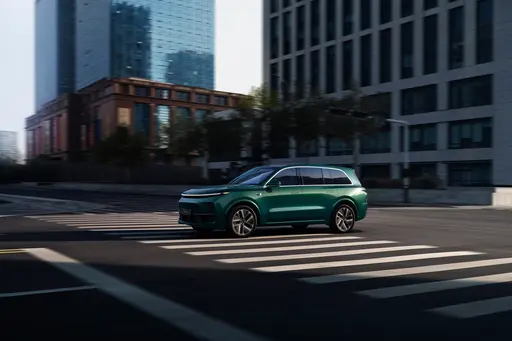
Following our discussion on Auto Hold, let’s explore its similarly named counterpart: Auto Start-Stop. As a core feature of intelligent vehicle control systems, it eliminates wasted energy. When sensors detect a complete stop (e.g., red lights, traffic jams) and no acceleration intent, the system cuts power to the drivetrain. Upon pressing the accelerator or releasing the brake, it restarts seamlessly within 0.3–0.8 seconds.

Technical Advancements in EVs
In electric vehicles (EVs), this technology has evolved from traditional engine control to smart electric drivetrain management, now integrated with regenerative braking for optimized efficiency:
- Motor: Main drive pauses operation
- Controller: Intelligently redirects braking energy
- Battery: Switches to low-power standby mode
Take BYD’s DM-i system: Both engine and motor shut down during stops, while the battery powers auxiliary systems (e.g., AC), reducing energy use by up to 40%.
How Does Auto Start-Stop Work?
A sensor network continuously monitors three conditions to activate Start-Stop:
- Wheels stationary (zero speed detected).
- Drivetrain idle (gear in N/D + no acceleration input).
- Adequate energy (battery supports restart).
Restart occurs in just 0.4 seconds—virtually imperceptible.
Benefits for Daily Driving
- Energy Savings: Reduced battery drain extends range.
- Eco-Friendly Operation: Lowers emissions and grid energy demand.
- Enhanced Comfort: Eliminates engine noise/vibration at stops. No manual input needed.
- Extended Component Life: Prevents motor wear from low-efficiency idling.

Optimal Use Cases ⚠️ Critical Scenarios
| ✅ Recommended: • Red lights (>20 sec) • Traffic jams (fully stopped) • Parking queues | ❌ Disable: • Water fording (restart risks water intrusion) • Steep inclines (rollback hazard) • High AC demand (cooling pauses) • Frequent maneuvers (e.g., parking) |

Maximize Your Auto Start-Stop
While traditional vehicles treat this as a “compliance feature” for emissions tests, EVs transform it into true intelligent efficiency: silent operation, energy recovery, and range extension. Energy-saving should feel effortless—not burdensome.
Subscribe for more EV insights, and join our community of smart drivers!