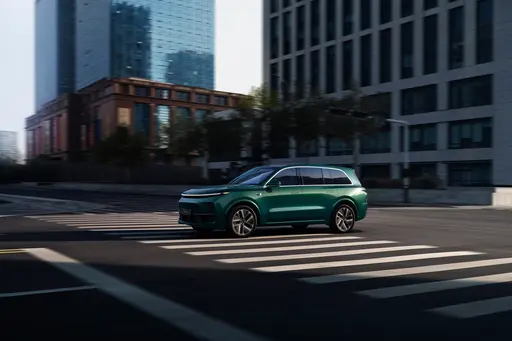
If you’ve ever admired the imposing wheels on a Tesla Model S or Xiaomi SU7 and wondered, “Why are EV tires so large?”—you’re not alone. As electric vehicles dominate roads worldwide, their tire designs defy conventional wisdom. Today, we reveal why bigger, heavier tires aren’t just a style choice. They’re engineered solutions tackling unique EV challenges.
EV Tires & Weight: Supporting Heavy Battery Loads
EVs typically weigh 20%–30% more than comparable gas-powered cars. For perspective:
- A Mercedes C-Class sedan (conventional midsize) weighs around 1.5–1.6 tons when fueled.
- The Xiaomi SU7, however, tips the scales at ~2 tons or more.
Why the difference?
Gas vehicles rely on engines (100–200 kg), transmissions (~80 kg), and fuel tanks (40–50 kg when full). EVs, by contrast, carry battery packs alone weighing 500–600 kg.
Tire Impact:
Heavier vehicles demand tires with higher load capacity. Air volume is key here—larger tires hold more air, distributing weight evenly to prevent premature wear, friction, and deformation under pressure.

EV Tires for Torque: Delivering Grip Without Sacrificing Safety
EVs deliver instantaneous torque, launching from 0–100 km/h in seconds. This performance demands exceptional grip—akin to sports cars.
The Solution? Bigger, Wider, Flatter Tires.
- Low Aspect Ratio: EV tires often feature sizes like “245/45R19”:
- 245 = Section width (mm)
- 45 = Aspect ratio (sidewall height as % of width).
Lower ratios mean flatter profiles, maximizing contact with the road for superior traction and stability.
- Larger Brakes: Bigger wheels accommodate oversized brake discs, enhancing stopping power to match acceleration.

EV Tires Boost Range: The Low-Rolling-Resistance Advantage
Low Rolling Resistance (LRR) tires are critical for EV efficiency, boosting range by up to 12%.
The Engineering Challenge:
EV tires require higher air pressure to support extra weight. LRR designs use stiffer, deformation-resistant materials and reinforced structures—adding weight but netting gains in efficiency and longevity.
Quietness is Paramount: Silencing the Road
Without engine noise, tire roar becomes unmistakable. EV-focused tires combat this with:
- Sound-Absorbing Foam Liners: Reducing vibrations transmitted to the cabin.
- Optimized Tread Patterns: Minimizing air turbulence and road noise.
Conclusion: Precision, Not Excess
EV tires are masterpieces of engineering optimization:
- Heavier for durability under extreme loads.
- Wider for uncompromised grip and safety.
- Smarter materials for extended range.
- Quieter tech for serene driving.
Far from overdesigned, they’re essential tools powering the electric revolution.Follow us and continue to bring you more information on new energy vehicles.