
As the automotive industry evolves, electric vehicles (EVs) are becoming increasingly important. EVs use batteries to store power and electric motors for propulsion, which helps reduce fossil fuel use and cut down on greenhouse gas emissions. Compared to traditional gasoline vehicles, electric cars are more efficient, using energy more effectively with less fuel.However, a major challenge for EV owners is range anxiety, or the fear of running out of battery power before reaching their destination. This concern can slow the widespread adoption of electric vehicles. To address this, range-extended electric vehicles (REEVs) have been developed. REEVs combine an electric motor with a small gasoline engine that acts as a backup power source, helping to ease range anxiety and make EVs more practical for everyday use.
What is a Range-Extended Electric Vehicle?
A range-extended electric vehicle (REEV) builds on a standard electric vehicle but adds a system to extend its driving range. This system usually includes a small gasoline engine and a generator. When the battery starts to run low, the gasoline engine kicks in and powers the generator, which then makes electricity. This extra electricity keeps the electric motor running, allowing the vehicle to travel farther before needing to recharge.
This design helps reduce range anxiety by providing extra power when the battery is low, so you don’t have to worry about frequent recharging. It also makes long-distance travel more convenient. Even though range-extended electric vehicles have a small gasoline engine, they remain environmentally friendly and efficient, much like pure electric cars.


Is It Worth Buying?
A car is more than just a mode of transportation; it’s a companion that meets your everyday needs. If you’re considering whether to purchase a range-extended electric vehicle, here are some factors to help you make your decision:
- Long-Distance Travel Needs: The range-extending system provides a driving range far beyond that of pure electric vehicles, reducing range anxiety on long trips and offering more freedom and peace of mind.
- Inadequate Charging Infrastructure: If charging facilities are lacking in your area, the internal combustion engine’s generator in a range-extended electric vehicle offers added reliability.
- Lower Daily Costs: Compared to pure electric vehicles that rely heavily on charging infrastructure, range-extended electric vehicles are more versatile. Even in areas without charging stations, you can continue driving by refueling, which reduces both the cost and time of long-distance travel.
Overall, if your driving needs align with these considerations, a range-extended electric vehicle is definitely worth considering. It effectively balances environmental benefits with practicality, providing greater driving freedom. If you’re torn between a pure electric vehicle and a range-extended model, take a closer look here.
Popular Range-Extended Electric Vehicles on the Market
Several range-extended electric vehicles currently stand out in the market:
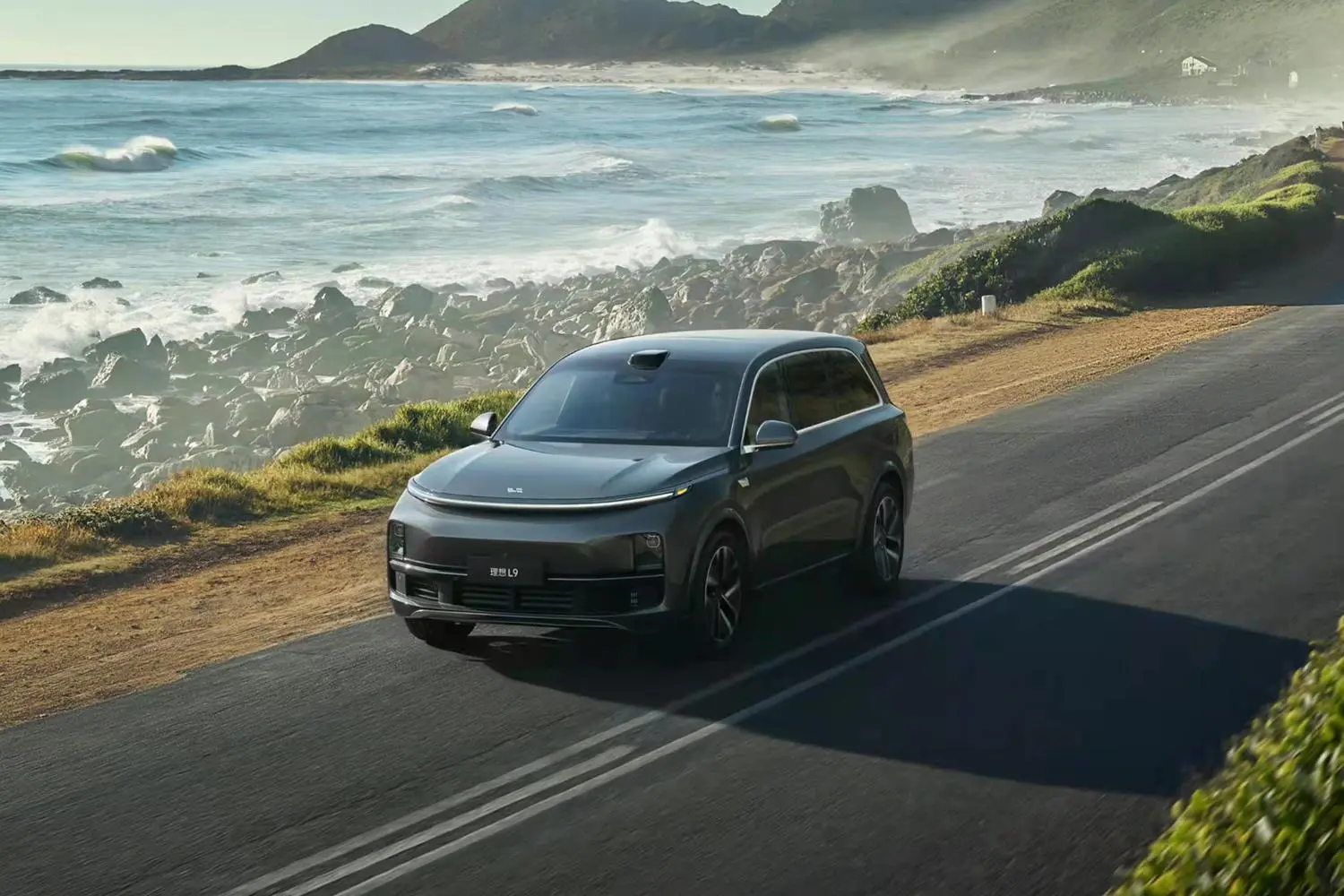
- Li Auto L9: As Li Auto’s flagship model, the L9 features a large 52.3 kWh battery, offering a combined range of up to 1,412 kilometers, with 280 kilometers available on battery power alone. The L9 excels in both range and luxury, making it ideal for long journeys.
- BYD Range-Extended Electric Vehicles: The Song Plus, Tang, and Han are the most popular models, each boasting a total range exceeding 1,000 kilometers, demonstrating impressive performance.

With ongoing advancements in new energy vehicles and technological innovation, range-extended electric vehicles offer a flexible and practical option. If you’re seeking a driving experience that combines eco-friendliness with practicality, a range-extended electric vehicle may be the perfect choice for you.


