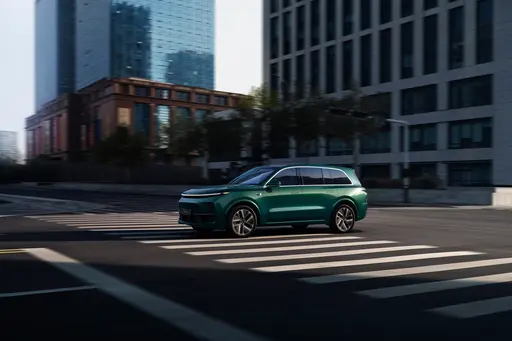
Driven by the dual forces of environmental concerns and technological advancements, electric vehicles (EVs) are progressively becoming the dominant choice for future transportation. From pure electric vehicles (EVs) to hybrid electric vehicles (HEVs) and plug-in hybrid electric vehicles (PHEVs), each technology path brings its unique advantages and challenges, steering the automotive industry toward a greener transformation. Today, let’s delve into the intricacies of these three electric vehicle types.
EVs: The Pinnacle of Green Driving
Pure electric vehicles, with their zero emissions and low noise levels, have become the preferred choice for many environmental advocates. Equipped with high-performance battery packs and efficient electric motors, EVs deliver an exceptional driving experience—quick responsiveness and smooth acceleration, completely eliminating the jerky feel of traditional internal combustion engine vehicles. Moreover, the operational costs of EVs are about one-fifth of those of gasoline vehicles, thanks to lower electricity costs and simpler maintenance processes, making every mile more economical and efficient.
However, range anxiety remains a real concern for EV owners. Factors like weather and road conditions often affect the actual range, which may fall short of the official estimates. Thus, planning trips carefully and leveraging the expanding network of charging stations are essential for EV owners. Fortunately, as charging infrastructure continues to improve, this issue is gradually being addressed.

HEVs: The Perfect Blend of Fuel and Electricity
Hybrid electric vehicles serve as a bridge between traditional gasoline vehicles and pure electric cars. They combine an internal combustion engine with an electric motor, using regenerative braking and engine power to charge the battery, achieving both high fuel efficiency and low emissions. HEVs retain the performance and range advantages of conventional vehicles, alleviating concerns about driving range.
Nonetheless, HEVs come with higher upfront costs due to their battery storage limitations. Additionally, battery life and fluctuations in local fuel prices can affect their overall cost of ownership. Despite these challenges, HEVs continue to hold a significant position in the market due to their unique benefits.
PHEVs: Versatile and Worry-Free
Plug-in hybrid electric vehicles are the “jack-of-all-trades” in the electric vehicle realm. They can charge from an external power source like pure EVs, enabling them to drive with zero emissions. When their battery is depleted, they automatically switch to hybrid mode and use the internal combustion engine to continue driving. This versatile design allows PHEVs to seamlessly handle both short commutes and long journeys.
However, high battery costs and the decline in range due to battery aging are notable drawbacks for PHEVs. The significant expense of battery replacement often deters potential buyers. Nevertheless, with ongoing advancements in battery technology and decreasing costs, the future of PHEVs remains promising.

Contact a professional team
Whether it’s the ultimate environmental benefits of pure electric vehicles, the fuel efficiency of hybrid electric vehicles, or the adaptable nature of plug-in hybrids, each type of electric vehicle is advancing the automotive industry’s green transformation in its own way. If you do not understand or have any car purchase needs, welcome to contact us, we will give you the most professional service satisfactory answer.